

Sustainability 2.0 extends beyond packaging to the full CPG supply chain.
Sustainability 2.0 reflects a shift from isolated initiatives toward a fully sustainable CPG supply chain that integrates sourcing, operations, logistics,and end-of-life considerations. While packaging improvements remain important,lasting impact now depends on how efficiently and transparently the entire supply chain operates. Brands that treat sustainability as an operational discipline are better positioned to meet market expectations and maintain long-term competitiveness.
• Packaging is only one lever in a sustainable CPG supply chain, not the finish line.¹
• Circularity requires coordination across suppliers, manufacturers, and logistics partners.²
• Market pressure, not regulation alone, is accelerating sustainability expectations.³
• Data visibility increasingly determines whether sustainability claims are trusted.⁴
Packaging became the first visible step in sustainability efforts for a simple reason: it was tangible, measurable, and easy to communicate. Recyclable materials, reduced plastics, and redesigned labels offered a clear signal of intent to both retailers and consumers.
However, as these initiatives became more common, their impact began to flatten. Improved packaging could not offset inefficiencies elsewhere in the supply chain, such as excess transportation emissions,supplier misalignment, or limited end-of-life recovery. Over time, it became clear that packaging alone could not carry the weight of broader sustainability goals.
Sustainability 2.0 builds on that foundation without dismissing it. The focus expands from what happens at the shelf to what happens before and after the product ever reaches it.
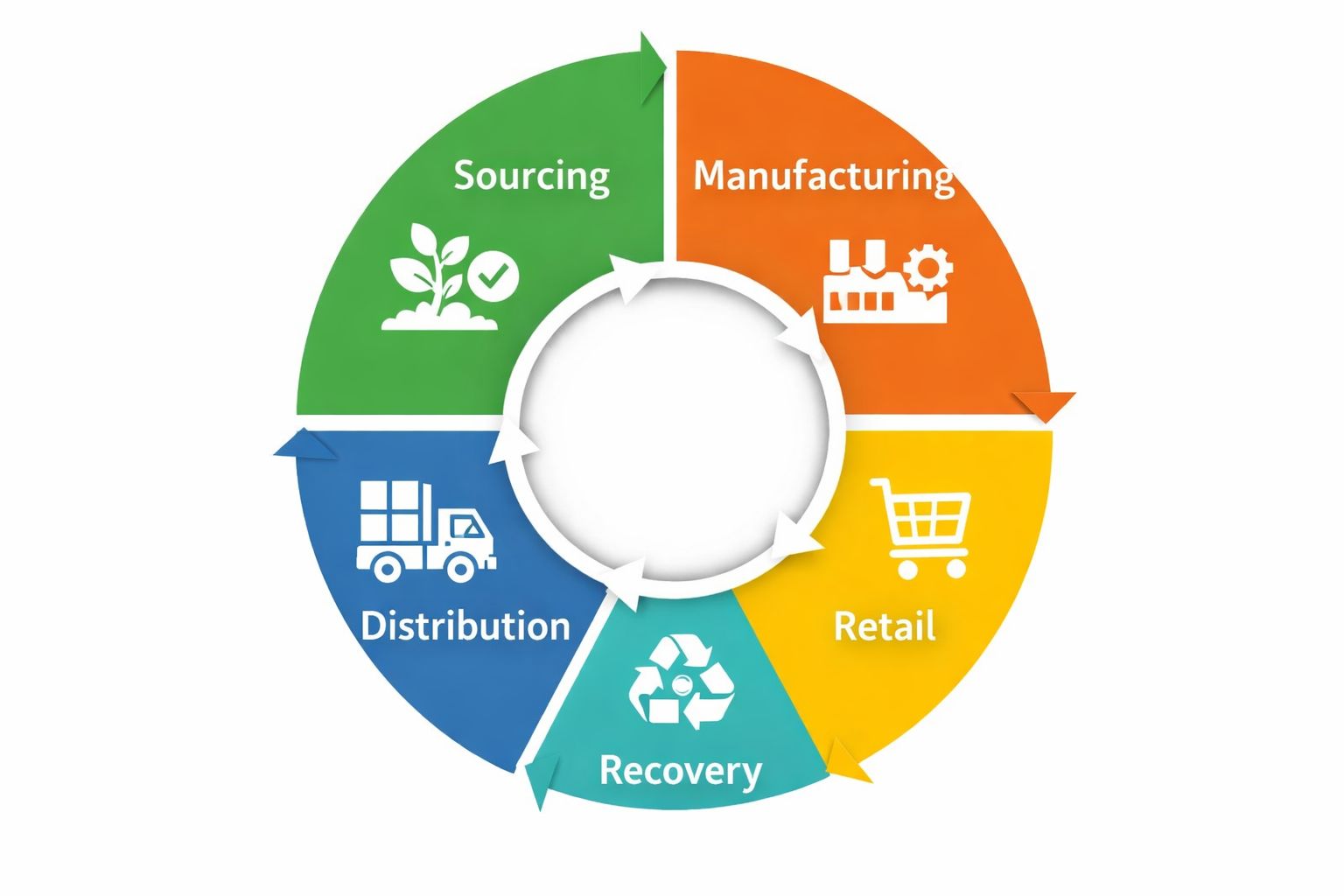
Circularity is often discussed as an aspiration, but in practice it is an operating model. In a sustainable CPG supply chain,circularity means designing processes so materials, energy, and data continue to create value rather than exit the system prematurely.
This includes upstream decisions such as responsible sourcing and supplier standards, midstream efficiencies in manufacturing and inventory management, and downstream considerations like logistics optimization and product recovery. Each stage affects the others, and improvements only scale when they are aligned.
Many circular initiatives stall not because the idea is flawed, but because execution is fragmented. Pilot programs may succeed locally but fail to scale due to data silos, inconsistent partner participation, or misaligned incentives across the supply chain. In some cases, sustainability targets are owned by one function while operational control sits elsewhere,creating gaps between intent and action.
Another common breakdown occurs when circularity is treated as an overlay rather than an operating requirement. Metrics may be tracked for reporting purposes, but they are not embedded into procurement decisions,production planning, or logistics optimization. Without integration into day-to-day workflows, circular strategies remain vulnerable to budget pressure,leadership changes, or short-term performance tradeoffs.
When sustainability is embedded into supply chain operations, it begins to function as a competitive asset rather than a cost center. Supplier collaboration improves forecasting and reduces waste. Manufacturing efficiencies lower energy use while increasing throughput. Smarter logistics decisions reduce emissions and improve service levels simultaneously.
Data plays a central role in this transition. Brands that can trace inputs, measure outcomes, and share credible information with partners are better equipped to respond to retailer requirements and shifting consumer expectations. Over time, this operational clarity supports stronger relationships and more resilient supply chains.
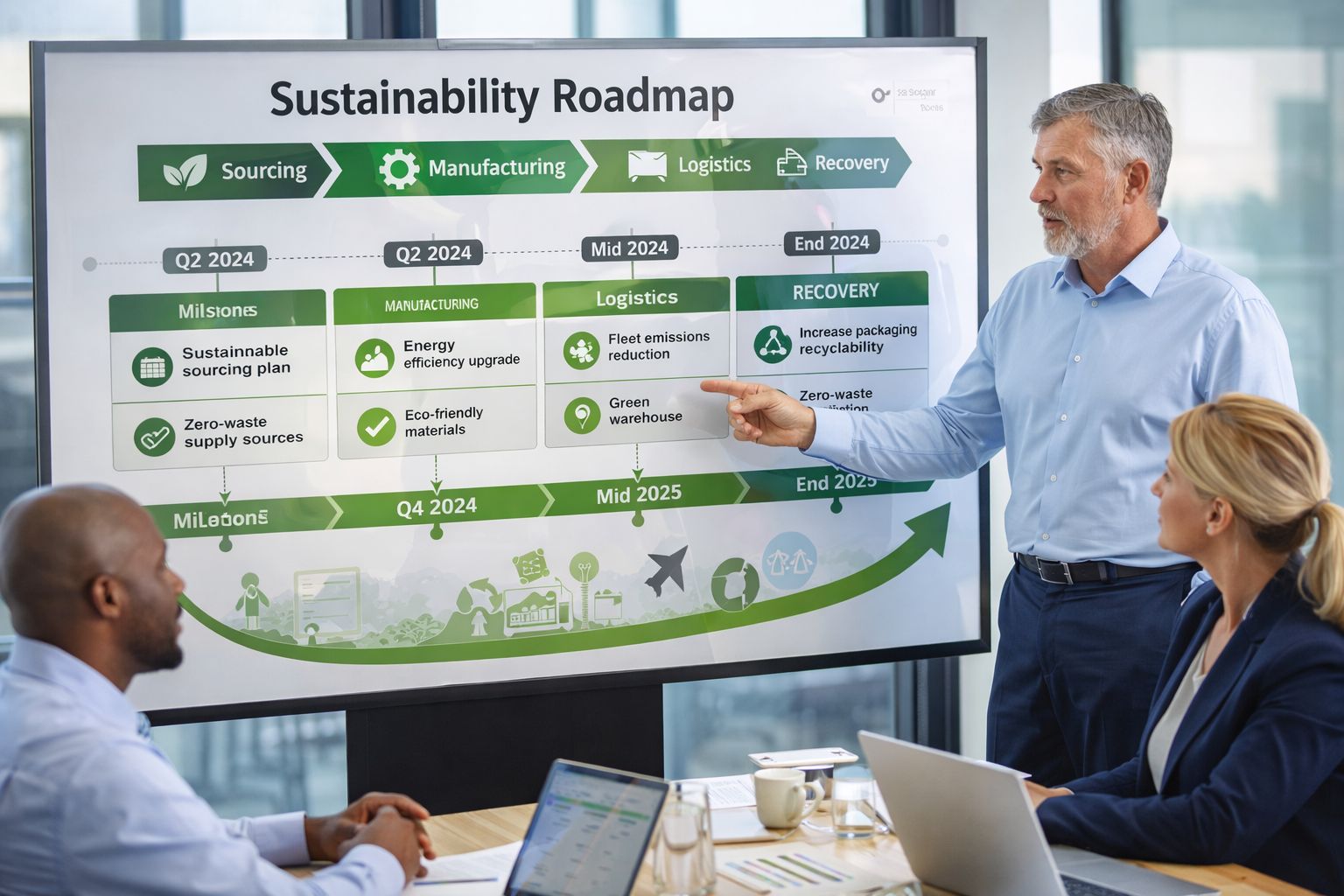
A sustainable CPG supply chain does not emerge overnight.Progress is typically incremental, guided by priorities that align with both market demands and internal capabilities. Starting with the areas of greatest operational impact allows teams to build confidence and demonstrate value early.
Rather than attempting to redesign the entire system,leading organizations focus on sequencing improvements. Each step reinforces the next, creating momentum without disrupting core operations.
Sustainability 2.0 represents a shift from intention to execution. As expectations continue to rise, success will depend on how well sustainability priorities are translated into repeatable supply chain processes that teams can execute consistently.
This requires clear ownership, measurable performance indicators, and governance structures that tie sustainability outcomes to operational accountability. When sustainability goals are treated with the same rigor as cost, service, and quality metrics, they are far more likely to deliver durable business results rather than one-time initiatives.
For strategy or implementation support, contact us below.
1. World Economic Forum – Circular Economy in Consumer Industries
2. Ellen MacArthur Foundation – Global Commitment and Circular Economy
3. McKinsey & Company – Sustainability in Consumer Packaged Goods
4. U.S.Environmental Protection Agency – Sustainable Materials Management
