

Personalization is no longer a marketing tactic, it is a growth infrastructure.
CPG personalization trends are shifting from simple audience segmentation toward real-time, data-driven experience orchestration across retail, ecommerce, and media networks. As brands prepare for 2026, success depends on how well they unify first-party data, activate intelligence at scale, and measure incremental growth across fragmented shopper journeys.
• Over 70 percent of consumers expect brands to deliver personalized experiences across channels¹
• Retail Media Networks now influence a growing share of upper- and mid-funnelpersonalization²
• First-party data unification is now a core growth constraint for many CPGbrands³
• AI-driven personalization systems are rapidly replacing rules-based targetingmodels⁴
For years, personalization in CPG was built on a familiar workflow. Brands divided shoppers into segments, mapped a handful of messages,and deployed them across limited channels. That approach is no longer sufficient. The modern shopper journey does not move in straight lines, and neither can personalization.
Today, CPG personalization trends are shifting toward orchestration at scale. This means brands are moving beyond static audience groups and into dynamic systems that respond to real-time shopper behavior. A shopper browsing online in the morning, using a loyalty app at lunch, and walking into a store in the evening is now a single connected experience. The message must adapt instantly, not after the next quarterly planning cycle.
This shift fundamentally changes how brands approach growth.Personalization is no longer just a marketing layer. It is becoming a core piece of operational infrastructure that touches product availability, pricing strategy, loyalty engagement, promotion timing, and retail media activation.The brands preparing for 2026 are already rebuilding their personalization systems around this reality.
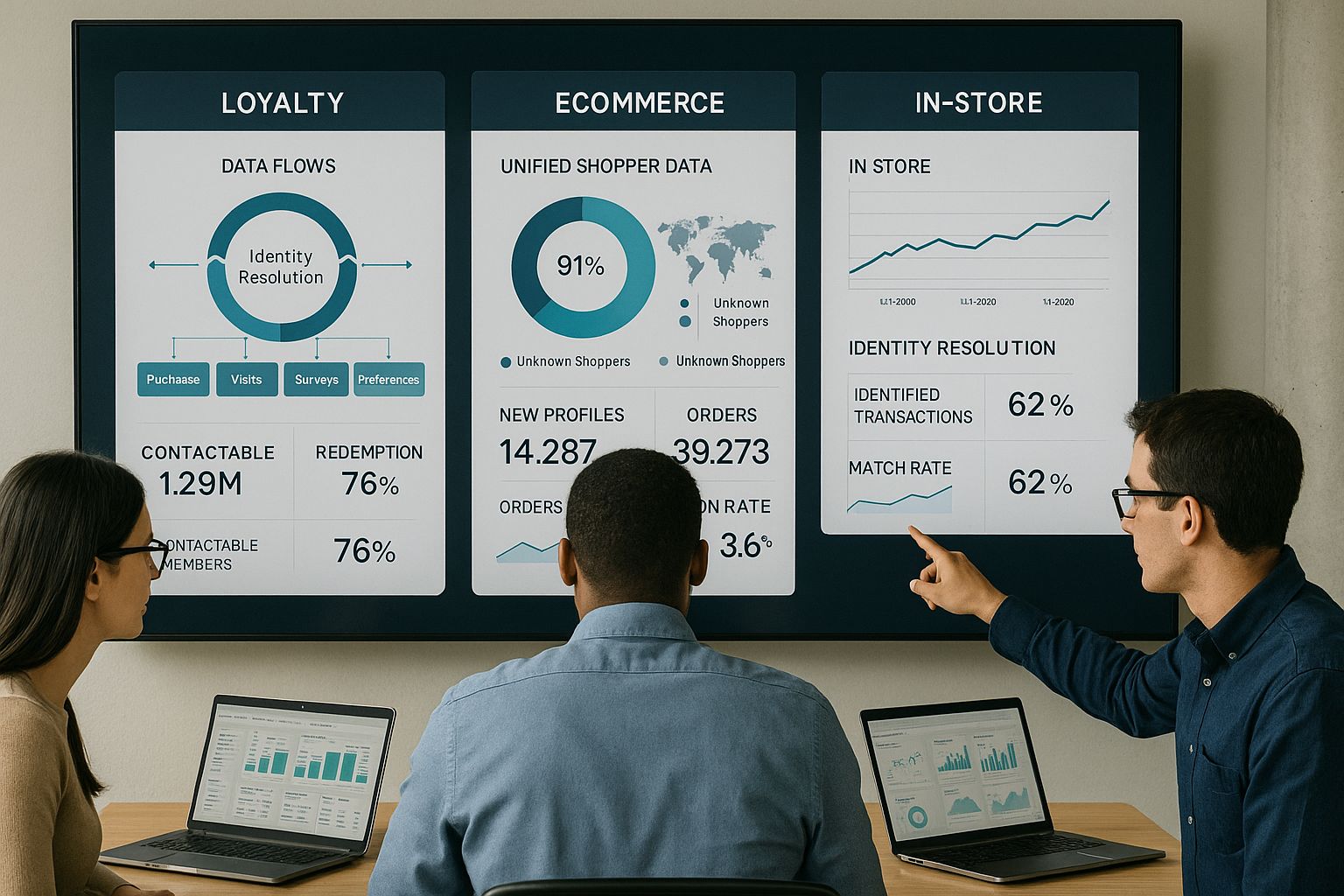
The deprecation of third-party cookies did not just impact digital advertising. It exposed long-standing structural weaknesses in how many CPG organizations manage and activate first-party data. Loyalty data, ecommerce transactions, in-store purchases, CRM systems, and media performance dashboards often still operate in silos. That fragmentation directly limits the effectiveness of personalization.³(IAB)
As 2026 approaches, CPG personalization trends increasingly revolve around one defining question: can the brand create a single, reliable shopper truth across channels? Without that unification, personalization becomes guesswork. With it, personalization becomes a scalable growth engine.
Brands that succeed in this phase are not necessarily the ones with the largest data lakes, but the ones with disciplined data governance. Clean inputs, consistent taxonomy, strong identity resolution, and cross-functional access all matter more than volume. When these foundations are in place, every promotion, assortment decision, and loyalty offer becomes smarter.
First-party data is no longer simply a privacy-compliant replacement for past targeting models. It is the basis for dynamic pricing strategies, hyper-local assortment decisions, and predictive demand forecasting. Personalization sits at the center of that transformation.³(IAB) As more retailers and media partners tighten access to their own identifiers, the brands that own a robust,well-governed first-party data asset will be in the strongest position to negotiate, activate, and measure at scale.
Retail Media Networks have rapidly become one of the most powerful personalization engines in CPG. What began as a monetization model for retailers has evolved into a high-resolution personalization environment for brands. These networks now combine shopping intent, purchase behavior, and media exposure into a single closed-loop system, and are a major driver of overall commerce media growth.²(IAB)
For brands preparing for 2026, personalized activation within Retail Media Networks is no longer optional. These platforms increasingly determine which shoppers see which messages, at which moment, and at which point along the purchase path. Personalized promotions inside retail ecosystems now influence search, display, sponsored product placement, email,and on-site experiences simultaneously.
This is where many brands now face strategic tension.Retailers control the data pipes, the targeting logic, and often the measurement frameworks. Brands must balance dependence on these ecosystems with the need to build independent personalization intelligence that travels across retailers. Deloitte’s work in retail media highlights exactly this need to combine “outside-in” consumer data with first-party assets to drive high-value actions.⁵(Deloitte)
Winning brands will be the ones that treat Retail Media Networks as high-powered distribution engines, not as their sole personalization brain. When retailers supply reach and context while brands supply strategy and insight, personalization becomes sustainable instead of platform-dependent.
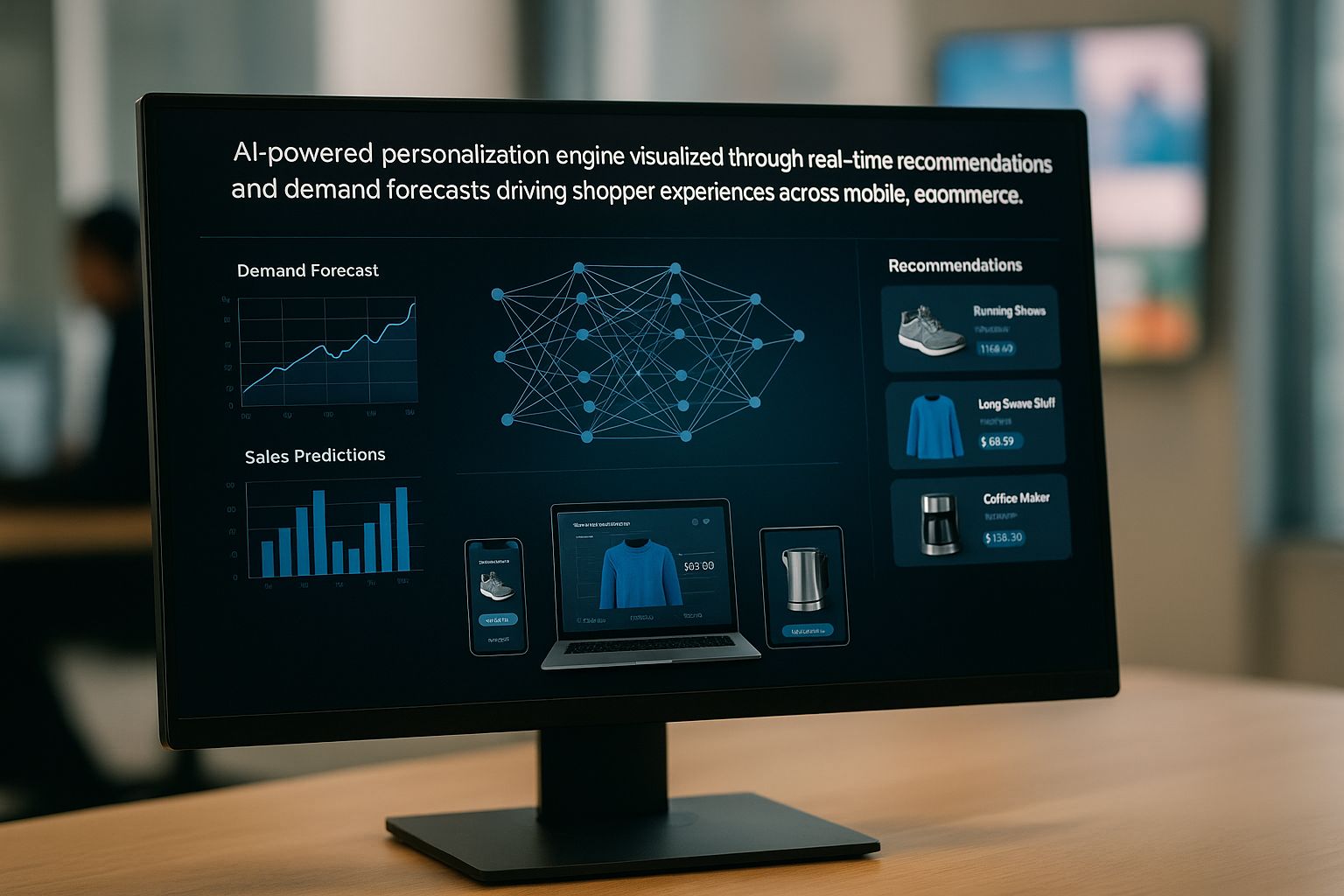
The next wave of CPG personalization trends is being driven by artificial intelligence. Rules-based personalization still dominates many organizations. These systems rely on fixed triggers, limited segmentation rules, and manual campaign mapping. They struggle when confronted with real-time behavioral shifts, inventory volatility, and increasingly fragmented shopper journeys.
AI-powered personalization models operate differently. They ingest massive volumes of behavioral signals, detect emerging patterns, and dynamically re-optimize experiences without waiting for human intervention.This is not simply about automation. It is about velocity, learning speed, and compounding advantage. BCG’s recent work on AI-led personalization shows that leaders in personalization can generate meaningfully higher revenue growth than laggards.⁴(BCG Global)
As brands look toward 2026, AI becomes the difference between reactive personalization and anticipatory personalization. Predicting when shoppers will need replenishment, identifying when price sensitivity is shifting, and detecting early churn risk are becoming table stakes rather than advanced capabilities.
However, AI does not eliminate strategic responsibility.Poor data still produces poor outcomes. Weak internal alignment still creates friction. Without strong business objectives, AI simply optimizes toward noise.The brands that win with AI-powered personalization are the ones that anchor technology inside clear commercial priorities and use AI to extend, not replace, human decision-making.
One of the most important mindset shifts emerging across CMOs and commercial leaders is the understanding that personalization is no longer episodic. It cannot live inside quarterly campaign calendars alone. It must function as part of a daily operating system for the organization.
In high-performing organizations, personalization influences:
• Promotional calendars
• Assortment strategy
• Loyalty incentives
• Retail media bidding logic
• Supply chain responsiveness
• New product launch sequencing
When personalization is embedded across these functions,growth becomes adaptive. Brands no longer have to guess how shoppers will respond. They can observe, test, and recalibrate continuously.
This daily operating model becomes even more critical as brands navigate inflationary pressure, category fragmentation, and rising trade complexity. Personalization gives leadership teams the ability to adapt without destabilizing core operations.
The year 2026 will not reward surface-level personalization.The brands that win will be the ones that have fully operationalized these structural realities:
• First-party data unification across all commerce touchpoints
• AI-driven experience orchestration at scale
• Retail Media Network integration without platform dependency
• Cross-functional governance between marketing, sales, and operations
• Measurement frameworks that isolate true incrementality
This is no longer about sending better emails or rotating more targeted ads. It is about designing a personalization infrastructure that supports long-term growth in an increasingly volatile retail environment.
Brands that wait to build these systems until they feel forced will be permanently behind the curve. Brands that invest now will enter2026 with structural advantage instead of reactive urgency.
Personalization at scale is no longer a forecasting exercise. It is an operating reality. As consumer expectations accelerate and technology reshapes execution speed, the brands that dominate the next consumer wave will be defined by how effectively they convert personalization from theory into daily practice.
For strategy or implementation support, contact us below.
1. McKinsey & Company – The value of getting personalization right—or wrong—is multiplying
2. IAB– Commerce Media: At the End of the Beginning?
3. IAB– State of Data 2024 (PDF)
4. Boston Consulting Group – How Consumer Experience Is Changing Across Industries in the Age of AI
5. Deloitte– Unlocking customer growth: driving high value actions with personalization strategy in retail media
